Tips for Creating a Productive Home Office Environment
Working from home has become a common part of many people’s routines. While it offers many benefits, such as flexibility and comfort, it also requires an environment that supports focus and productivity. Creating a productive home office isn’t just about having a desk and a computer; it’s about setting up a space that meets your needs and encourages you to work efficiently.
In this post, we’ll explore practical tips to help you design a home office environment that makes the most of your work-from-home experience.
1. Choose the Right Location
Consider natural light and quietness
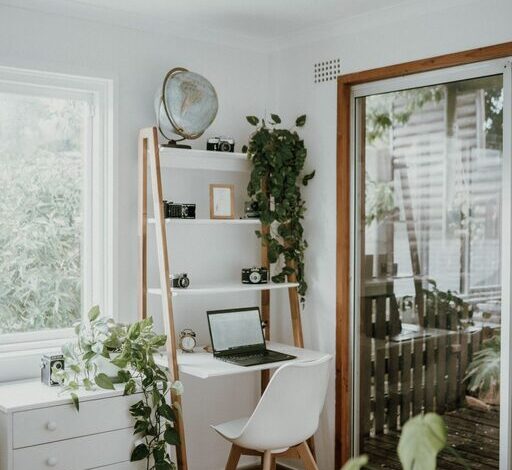
Selecting the best spot for your home office is crucial. Look for a space with plenty of natural light, which helps reduce eye strain and lifts your mood. A quiet corner or a room with a door can help minimize distractions, making it easier to concentrate.
Think about proximity to distractions
Try to avoid placing your workspace too close to high-traffic areas like the kitchen or living room. The fewer interruptions you face, the better your productivity will be.
2. Invest in Ergonomic Furniture
Select a comfortable chair
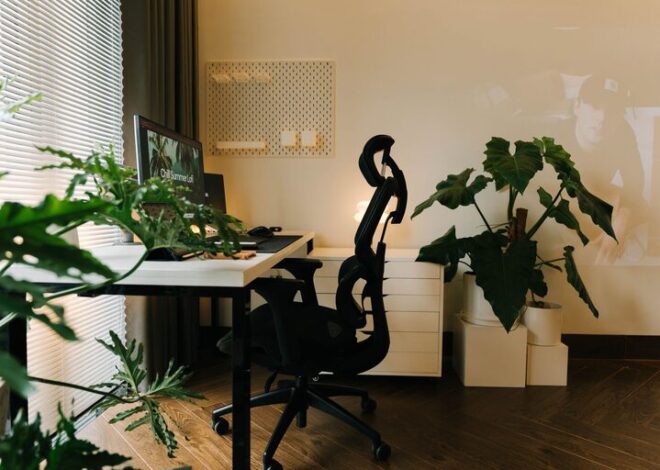
You’ll likely spend several hours sitting, so choose an ergonomic chair that supports your back and promotes good posture. Adjustable height and lumbar support are important features to look for.
Use a suitable desk
A desk at the right height helps keep your wrists, arms, and shoulders comfortable. If possible, consider a sit-stand desk to allow switching positions during the day.
Arrange your keyboard and monitor correctly
Your keyboard should be positioned so your forearms are parallel to the floor. The computer screen should be at eye level to reduce neck strain.
3. Organize Your Workspace Efficiently
Keep essentials within reach
Arrange your desk so that items like pens, notepads, and chargers are easy to access, reducing the time you spend searching.
Use storage solutions
Use shelves, drawers, or filing cabinets to keep paperwork and supplies organized. A tidy workspace can help minimize stress and improve focus.
Manage cables and cords
Use clips, ties, or cable organizers to keep cords neat and prevent them from becoming a tangled mess.
4. Optimize Lighting
Combine natural and artificial light
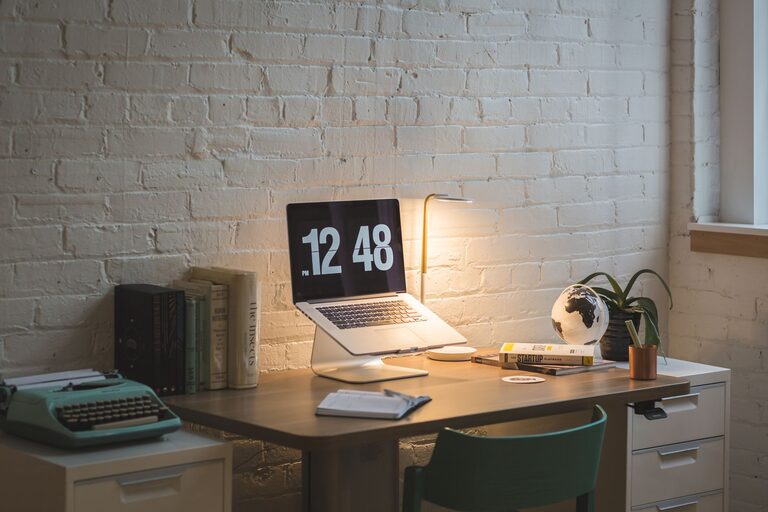
Natural light is best, but supplement it with adjustable desk lamps, especially during darker hours. Soft, warm light helps create a cozy atmosphere without causing glare.
Avoid screen glare
Position your monitor perpendicular to windows to minimize reflections and eye strain.
5. Minimize Distractions
Set boundaries with others
If you share your living space, clearly communicate your work hours and request privacy during those times.
Use noise-canceling headphones
They can help block out background noises, creating a more focused environment.
Keep your phone on silent or “do not disturb” mode
Limiting interruptions from notifications helps maintain your workflow.
6. Personalize Your Space
Add plants or artwork
A few plants or images you love can make your workspace more inviting and boost your mood.
Use colors that inspire productivity
Shades like light blue, green, or soft yellow are known to promote calmness and concentration.
Keep comfort items nearby
A cozy blanket or a favorite mug can add a sense of well-being during your workday.
7. Establish a Routine
Set regular working hours
Create a schedule that mimics an office environment to maintain discipline.
Take breaks away from your desk
Short breaks help refresh your mind and reduce fatigue.
End your day with a wrap-up ritual
Organize your desk and plan tasks for the next day to start fresh each morning.
8. Utilize Technology Wisely
Choose the right tools
Use productivity apps or calendars to stay organized.
Maintain reliable internet and equipment
Breaks caused by technical issues disrupt your flow, so invest in dependable technology.
Back up your work
Use cloud storage or an external drive to prevent data loss.
—
Creating a productive home office environment is about combining comfort, organization, and discipline tailored to your personal work style. By thoughtfully designing your space and habits, you’ll find it easier to focus, stay motivated, and enjoy your work from home.
Start small, make adjustments as needed, and find what works best for you!