
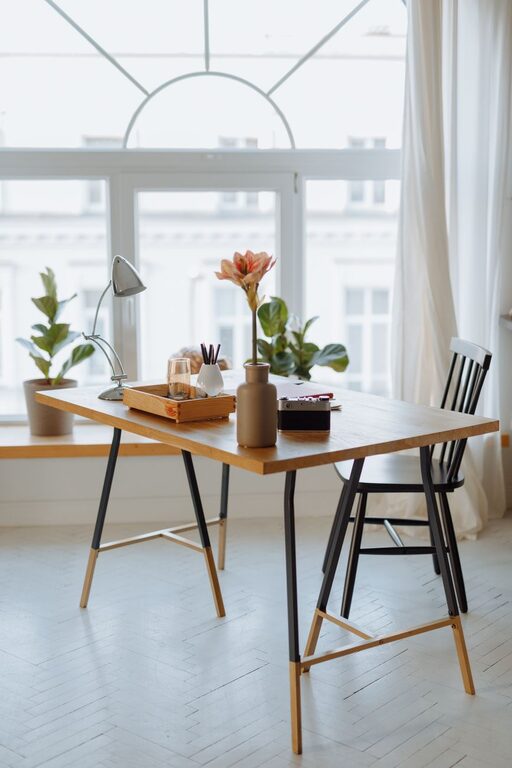
Simple Tips for Creating a Cozy and Functional Home Office Space
Creating a home office that is both cozy and functional can make a big difference in your daily routine, especially if you spend significant time working from home. A thoughtfully designed workspace boosts productivity, reduces stress, and helps maintain a healthy work-life balance. Whether you have a dedicated room or just a small corner, these simple tips will help you set up a home office that feels inviting and supports your work needs.
Choose the Right Location
Consider Natural Light
When selecting a spot for your home office, try to find a location with plenty of natural light. Natural light improves mood, reduces eye strain, and keeps you energized throughout the day. Position your desk near a window if possible, but avoid glare directly on your computer screen.
Minimize Distractions
Choose a quiet area away from household noise or heavy foot traffic. If space is limited, a room divider or noise-cancelling headphones can help create a peaceful environment.
Invest in Comfortable and Practical Furniture
Ergonomic Chair
A comfortable, ergonomic chair is essential for long hours of work. Look for a chair that provides good lumbar support, adjustable height, and cushioned seating. This helps prevent back pain and promotes better posture.
Desk Size and Shape
Pick a desk that fits your space and work style. A corner desk can maximize room in small spaces, while a larger desk may be better if you use multiple monitors or need space for paperwork.
Storage Solutions
Incorporate shelves, filing cabinets, or desk organizers to keep supplies and documents tidy. Decluttering your space can help reduce stress and improve focus.
Personalize Your Space
Use Calming Colors
Choose paint colors or decor in soothing tones like soft blues, greens, or neutrals. These colors help create a relaxing atmosphere conducive to concentration.
Add Plants
Houseplants bring life and freshness to your office. They can improve air quality and create a more inviting environment.
Display Inspirational Items
Add photos, artwork, or motivational quotes to personalize your space and keep you motivated throughout your workday.
Optimize Lighting
Layer Your Lighting
Use a mix of ambient lighting (like ceiling lights) and task lighting (such as desk lamps). Adjustable task lighting reduces eye strain and helps you focus on detailed work.
Consider Warm Light Bulbs
Warm, soft light bulbs create a cozy feel, while bright white bulbs may make the space feel sterile. Choose lighting that suits your preferences and enhances comfort.
Stay Organized with Planning and Accessories
Use Cable Management Tools
Keep cables and cords neatly bundled with clips or cable sleeves to prevent clutter and tripping hazards.
Calendar and Planning Tools
Keep a planner, calendar, or whiteboard nearby to organize daily tasks and deadlines. Visual planning tools help keep your work on track.
Keep Essentials Within Reach
Arrange frequently used items like pens, notebooks, and chargers within arm’s reach to avoid unnecessary interruptions.
Create Zones for Different Activities
Work and Relaxation Areas
If space allows, separate your desk area from a comfortable chair or small sofa. This encourages breaks and helps signal when it’s time to work versus rest.
Storage and Tech Zones
Designate specific areas for storing office supplies and charging electronic devices. A clutter-free workspace helps maintain focus.
Maintain a Healthy Environment
Air Quality and Temperature
Ensure good ventilation, and consider using an air purifier if needed. Keep your space at a comfortable temperature to avoid distractions from being too hot or cold.
Take Breaks and Move Around
Use a timer or app to remind yourself to stand, stretch, or take short walks during the day. Movement promotes circulation and reduces fatigue.
—
Creating a cozy and functional home office doesn’t require a major renovation. By focusing on comfort, organization, and thoughtful design, you can make your workspace a place where you enjoy spending time and can work efficiently. Start small, experiment with what works for you, and gradually build a home office that supports your productivity and well-being every day.
