
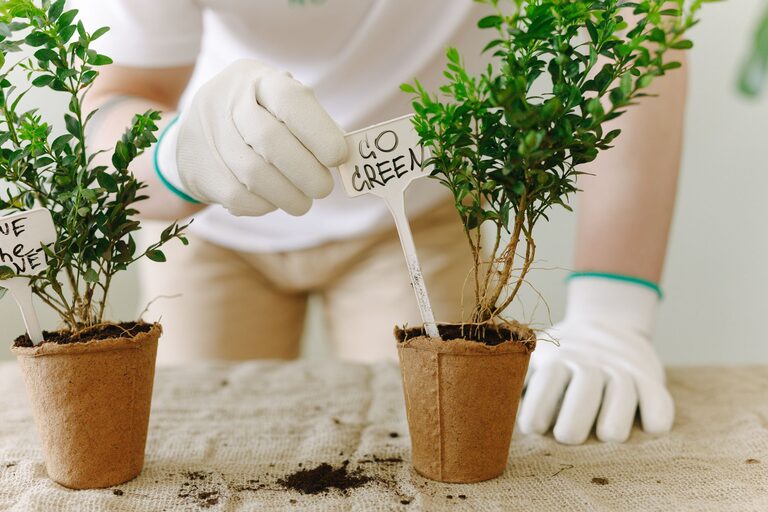
Tips for Creating a Sustainable and Eco-Friendly Home Garden
Creating a sustainable and eco-friendly home garden is a rewarding way to connect with nature while reducing your environmental impact. Whether you have a sprawling backyard or a modest balcony space, thoughtful planning and simple practices can transform your garden into an environmentally responsible oasis. In this guide, we’ll explore practical tips to help you start or improve your own sustainable garden.
Why Choose a Sustainable Garden?
A sustainable garden conserves resources, promotes biodiversity, and reduces waste. It helps protect the local ecosystem and can even save money on water and energy bills. By using eco-friendly gardening methods, you contribute to cleaner air, healthier soil, and a vibrant habitat for beneficial insects and wildlife.
Planning Your Eco-Friendly Garden
Assess Your Space and Climate
Begin by observing your garden’s sunlight, soil type, and microclimate. Understanding these factors will guide your plant choices and maintenance routines to ensure they thrive naturally without excessive resource use.
Choose Native and Drought-Tolerant Plants
Native plants are adapted to your region’s climate and require less water, fertilizer, and pesticides. Drought-tolerant species reduce water consumption further, making your garden more resilient during dry periods.
Soil Health and Composting
Build Healthy Soil Naturally
Healthy soil supports strong plant growth and reduces the need for chemical fertilizers. Enrich your soil with organic matter like compost, leaf mold, or well-rotted manure to improve texture and nutrient content.
Start Composting at Home
Composting kitchen scraps and garden waste reduces landfill trash and produces nutrient-rich soil amendments. Set up a compost bin or pile in a corner of your yard, and turn it regularly to speed breakdown.
Water Conservation Techniques
Use Mulch to Retain Moisture
Apply a layer of organic mulch (such as wood chips, straw, or bark) around plants to retain moisture, suppress weeds, and regulate soil temperature.
Collect Rainwater
Installing rain barrels or water collection systems helps you capture rainwater for irrigation. This reduces reliance on municipal water and saves money.
Water Wisely
Water your garden early in the morning or late in the evening to reduce evaporation. Use drip irrigation or soaker hoses to deliver water directly to plant roots efficiently.
Natural Pest and Weed Management
Encourage Beneficial Insects
Attract pollinators and predatory insects like ladybugs and lacewings by planting a variety of flowers and herbs. These insects help control pests naturally.
Avoid Chemical Pesticides
Instead of chemicals, use manual removal, insecticidal soaps, or natural predators. Companion planting—growing certain plants together—can also deter pests.
Manage Weeds Organically
Regularly hand-weed and use mulch to suppress weed growth. Avoid synthetic herbicides that can harm soil life and beneficial insects.
Sustainable Garden Structures and Materials
Opt for Recycled or Natural Materials
When building raised beds, fencing, or pathways, choose reclaimed wood, recycled plastic, bamboo, or stone. These materials reduce waste and exposure to harmful chemicals.
Limit Lawn Areas
Lawns can require significant water and chemical inputs. Consider reducing lawn size in favor of native shrubs, ground covers, or vegetable beds.
Growing Your Own Food
Plant a Vegetable and Herb Garden
Growing your own fruits, vegetables, and herbs reduces the environmental impact of store-bought produce. Focus on plants that grow well in your area for a more sustainable harvest.
Practice Crop Rotation and Polyculture
Rotate crops yearly to maintain soil nutrients and reduce pest buildup. A mix of different plants in the same area (polyculture) encourages a balanced ecosystem.
Maintenance and Seasonal Care
Use Manual Tools When Possible
Manual tools like hand pruners and hoes minimize energy use and noise pollution compared to gas-powered equipment.
Plant Cover Crops
In the off-season, plant cover crops such as clover or rye to protect soil from erosion, suppress weeds, and add organic matter.
Prune Responsibly
Prune plants at the right times to promote health and reduce disease. Compost the trimmings instead of discarding them.
Get the Whole Family Involved
Gardening can be a fun, educational activity. Teaching children about sustainability fosters lifelong appreciation and care for the environment.
Final Thoughts
Building a sustainable and eco-friendly home garden takes some effort but pays off in a healthier environment and beautiful outdoor space. By planning carefully, choosing the right plants, conserving resources, and nurturing your soil and wildlife, your garden can become a positive force for the planet. Start small, keep learning, and enjoy the many benefits of green living right at home.
